

2025-09-10
Dešimtokė Vakarė – VU kūrybinio rašymo konkurso laureatė
Vakarės kūrinys išspausdintas VU literatūriniame studentų žurnale „Discourse“
Sveikiname „Pažinimo medžio“ dešimtokę Vakarę, tapus viena iš Vilniaus universiteto (VU) organizuoto kūrybinio rašymo „Future Voices in English“ konkurso laimėtojų. VU Anglų filologijos katedros organizuotame konkurse vyresniųjų klasių moksleiviai buvo kviečiami atskleisti savo kūrybinius gebėjimus poezijos, esė arba kūrybinio rašymo srityse. Tai buvo puiki proga ne tik pademonstruoti savo talentą, bet ir sulaukti įvertinimo – geriausi darbai publikuoti VU žurnale „Discourse“. Šis literatūrinis studentų žurnalas anglų kalba jungia vietinius ir tarptautinius studentus bei skirtingų fakultetų bendruomenes per kūrybą, idėjų dalijimąsi, kritinį mąstymą ir prasmingus dialogus.
Vakarė daug skaitantis ir besidomintis pasauliu vaikas. Jos rašto darbai atspindi plačią pasaulėžiūrą ir turtingą kalbą. Nors kūrybinį rašymą buvo padėjusi į šalį jau kurį laiką, pernai klasėje gavusi kūrybinio rašymo užduotį vėl pajuto norą kurti. Tas darbas vėliau išsirutuliojo į metinį projektą, o dar vėliau – paskatino sudalyvauti šiame konkurse.
Anglų kalbos mokytoja Laima Kiursinaitė
Šis pasiekimas – ne tik Vakarės talento ir susitelkimo darbui rezultatas, bet ir įkvepiantis pavyzdys „Pažinimo medžio“ bendruomenei – kaip kūryba, atkaklumas ir mokytojų padrąsinimas gali atverti naujus kelius.
Antrajame „Discourse“ numeryje išspausdintas Vakarės „flash fiction“ žanro kūrinys „Ivy“
Mother had always hated ivy: how it curled and coiled around her precious grand daylilies and pampered rosebuds, with such determination it might have tried to snap her beloved. She fought back with all her heart, waking up at dawn to weed before church. Yet I adored it, perhaps strictly because Mother did not. I found beauty in such a trivial plant, how its frail tendrils worm their way above all, snuggling between bark and pavement alike. All for sunlight, all for survival. It amazed me. I somehow found a forgotten apse, soaked in shade and flowing with ivy.
The new girl next door stood out. Her parents’ hoary car, faded, “boyish” clothes — Mother had shut the door on her attempt at introduction. The girl went to my school, an eyesore between the posh. A plague to some, sweetest honey to me.
Trees bared and birthed verdant crowns a mere once before She dared. The softest of daffodil lips brushed against mine, a cut above the harsh, eager boys I’ve kissed. Silence stood afterward, stilling the scarce air between us. Static scrubbed my mind overwhelmingly clean. I tiptoed so our lips would graze again before a thought could interrupt, before disgust could burden.
My apse had offered shadow to hide for many moons. Clusters of pillows and blankets had shaped themselves within it, between floods of vines. We’d rest on them at disgraceful hours of dark when God could not see.
Mother did. The back door burst open, blinding us both with light the alcove does not see often. She screamed, and yelled, tearing me away with an iron grip on my wrist. Though it was white noise — my complete focus was on the girl. She was quicker. She scrambled up the fence, Her boots tore at my dearest ivy, leaving gashes in its lush tapestry. Mother clawed after. In vain
They moved out a few weeks later. No more hoary car, no more faded, “boyish” clothes. Not a single blemish of a student in class. No ivy either, as mother had taken her whole afternoon uprooting every last stalk.
Kitos naujienos
2026-10-07
Būreliai, sportas, savanorystė: patariame, kaip neperkrauti paauglio grafiko
Rugsėjį lengva pradėti dėlioti idealaus paauglio tvarkaraštį: mokykla, sportas, užsienio kalba, kitos veiklos. Kiekviena jų gali būti prasminga, tačiau kartu jos gali virsti ilgu sąrašu dalykų, kuriuos tiesiog reikia atlikti.
2026-09-30
Geri pažymiai gali slėpti problemą: beveik pusė 15-mečių netiki, kad gali tapti geresni
Geri akademiniai rezultatai dar nereiškia, kad vaikas moka mokytis tada, kai pasidaro sunku. Naujausi PISA 2025 duomenys rodo ryškų kontrastą: Lietuvos penkiolikmečiai tarptautiniame kontekste pasiekia gana stiprių rezultatų, tačiau beveik pusė jų netiki, kad intelektą galima ugdyti.
2026-09-28
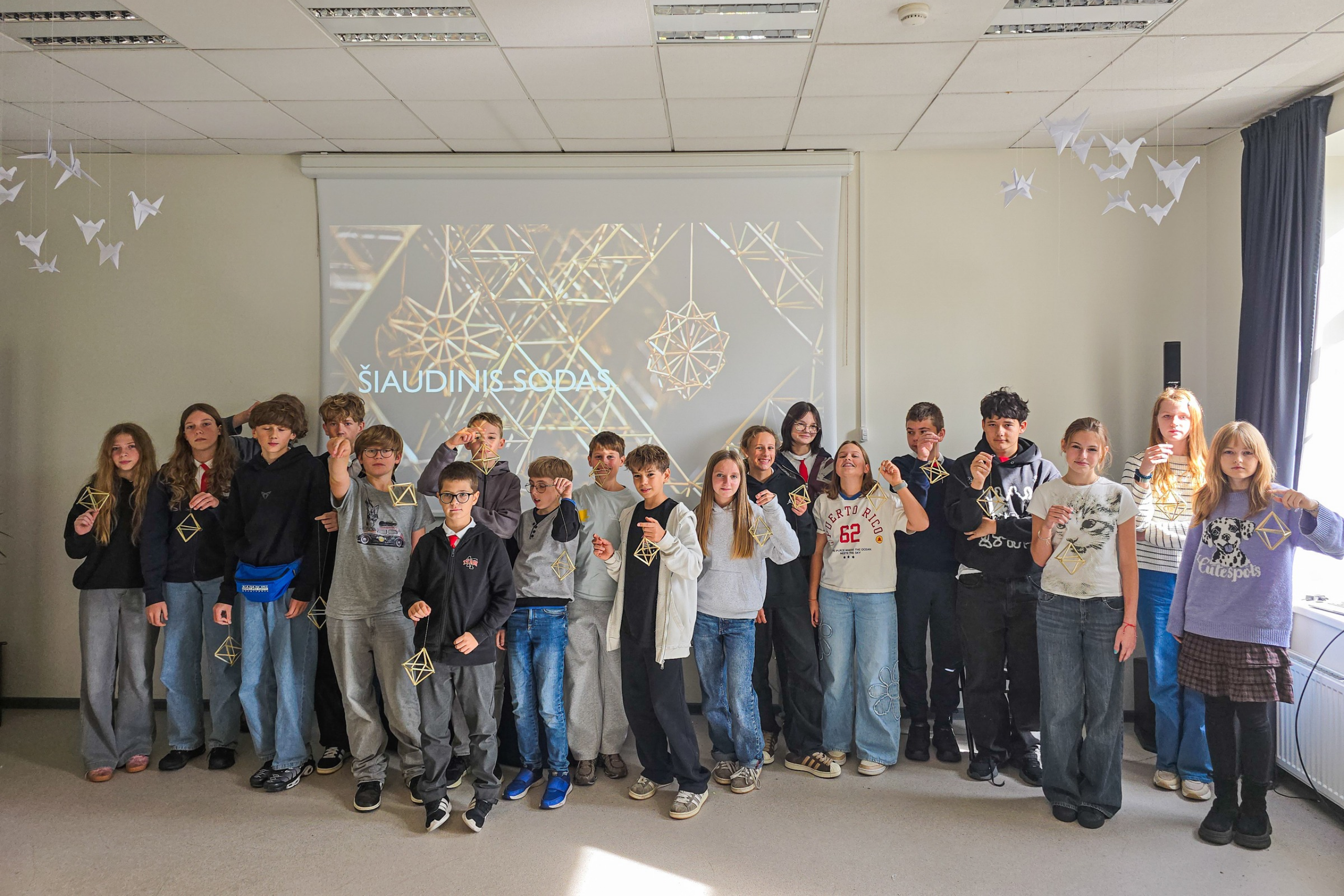
Atraskime ir veikime kartu – UNESCO Lietuvoje jaunų žmonių akimis
2026 m. rugsėjo 21–26 d. Vilniuje vyko bendras „Pažinimo medžio“ mokyklos ir Lenkijos Małe Morze pradinės mokyklos, pavadintos kunigo Jano Kaczkowskio vardu, mokinių projektas „Atraskime ir veikime kartu – UNESCO Lietuvoje jaunų žmonių akimis“. Projektą finansavo Lenkijos ir Lietuvos jaunimo mainų fondas. Projekte dalyvavo 10 mokinių iš Lenkijos, 10 „Pažinimo medžio“ septintokų ir abiejų mokyklų […]